
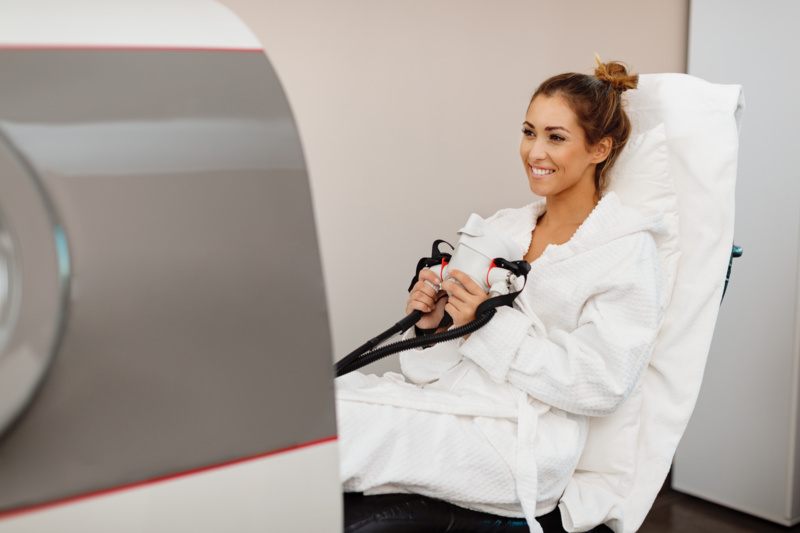
Multiple sclerosis, also referred to as MS, is a neurological condition affecting the brain and central nervous system. Currently, there isn’t a cure for it, meaning those who are living with the condition have to find ways to manage the pain and discomfort it causes. Oxygen therapy is one treatment that has been shown to help.
Hyperbaric oxygen therapy provides concentrated oxygen to the body in a pressurised chamber. The aim of it is to help improve healing and recovery through increased blood oxygen levels.
While hyperbaric oxygen therapy isn’t a cure for multiple sclerosis, it is often used as a complementary or alternative therapy to help manage specific aspects of the condition.
Read on to discover how MS oxygen therapy can help reduce symptoms and discomfort caused by the condition.
What Is Oxygen Therapy for Multiple Sclerosis?
Oxygen therapy for Multiple Sclerosis is no different to any other hyperbaric oxygen therapy offered.
It provides a higher concentration of oxygen to the body through a mask. This allows the oxygen to dissolve directly into the blood, aiding recovery and the health of muscles and the wider body.
How Could Oxygen Therapy Help People with MS?
There are several ways in which oxygen therapy could help those living with MS.
Reducing Swelling
Firstly, there have been anecdotal reports of oxygen therapy reducing swelling around areas that are susceptible to MS attacks. This is thanks to the pure oxygen that enters the body in a pressurised environment.
Tissue Repair and Healing
Increasing the amount of oxygen delivered to the body supports cellular metabolism. The benefit of this is that it can help the repair of demyelinated nerve tissue and boost the release of growth factors.
Helping Fatigue Management
Fatigue is one of the most common MS symptoms. And many using hyperbaric oxygen therapy to help with MS symptoms have reported that they feel less fatigued.
This is likely because the increased blood oxygen levels can help reduce overall fatigue in several ways.
- Enhances cellular energy – oxygen delivery to tissue is improved, which stimulates mitochondrial function to produce energy more efficiently.
- Reduces inflammation – increased oxygen can help lower systemic inflammatory markers seen in those living with MS, and oxidative stress that is linked to chronic fatigue.
- Improves sleep – Some people report improved sleep following hyperbaric oxygen therapy, which may contribute to better energy levels. However, evidence in people with MS remains limited.
Symptom Management
One of the biggest benefits of hyperbaric oxygen therapy for multiple sclerosis is that it could help with symptom management.
Many who are using oxygen therapy as symptom management have also reported that it has helped with bladder symptoms and even balance and brain function too – although it is worth noting there is little research confirming this.
As we have said above, using MS oxygen therapy is not a cure for the condition, nor is it guaranteed to help with the above. These are several ways that those who use the therapy have reported it to help, but there is little scientific evidence to support them as a complete truth.
What Does the Research Say?
As it stands, the scientific research community is somewhat divided on the effectiveness of oxygen therapy on MS symptoms.
We have mentioned above that those using the therapy report improvement in several areas of symptom management. However, several major organisations in the UK are yet to be persuaded. The Multiple Sclerosis Society UK and MS Trust state that clinical trials don’t provide enough consistent evidence that this form of therapy works or alters the long-term progression of MS.
Despite this, there are several small-scale studies that have published their results demonstrating the increased oxygen could be reducing neurological deficits and preventing tissue deterioration prevalent in MS. The scale of these studies is often criticised, though, feeding into the argument that there is not enough evidence to determine the connection between the therapy and results.
As you can see, the research somewhat muddies the waters when it comes to directly answering the question “does hyperbaric oxygen therapy help MS?”
So, if you are interested in trying MS hyperbaric oxygen therapy, get in touch with our team to discuss your individual circumstances first.
Is Oxygen Therapy Safe for People with MS?
It would only be natural to ask about the safety of MS oxygen therapy.
Generally, hyperbaric oxygen therapy is considered a safe and effective treatment when supervised by a professional.
It is important to be aware that there are a number of potential side effects, such as:
- Ear discomfort
- Sinus pressure
- Mild fatigue straight after a session
- Lightheadedness or temporary dizziness
- Temporary vision changes
It is always recommended that you speak to a medical professional and our experts before starting oxygen therapy, and this is especially important if you are living with MS.
What is the Typical Treatment Process?
The treatment process will be bespoke to you and your body. Our experts will work with you to ensure safe use of our hyperbaric chamber so that you get the best results from it.
Typically, our sessions are 60 minutes long. However, this might be shortened depending on you and your comfort levels.
Every session will be supervised, and the supervisor will control the oxygen concentration levels and session length. At Elements Health Hub, we use a monoplace chamber. This is a single-person space, with enough room for you to comfortably lie down and relax.
You can use this time however you want, but most people take the time to read a book, engage the brain in a crossword, or even just sit with their thoughts.
We will work with you to figure out the optimum frequency, so that it suits your lifestyle and symptoms.
Can Oxygen Therapy Help Multiple Sclerosis?
By providing the body with concentrated oxygen through a mask, there is a small amount of evidence that oxygen therapy could help multiple sclerosis symptom management. However, it is vital to remember it is not a cure for the neurological condition, and should be used as a complimentary treatment alongside other proven therapies and medicines.
It is also important to note that much of the evidence supporting the idea that hyperbaric oxygen therapy helps MS is anecdotal, and scientific studies are limited. This means that there is no absolute proof that the therapy is assured to help, and the benefits you experience are likely to differ to those others experience.
If you are considering oxygen therapy to help with symptom management, you should consult a medical professional before starting the treatment. Finally, you should speak to our experts to discuss our recommended way forward with it.
Contact our team today by calling 01425 203303 or book a tour of our facility online today. You can also explore our membership options online before visiting us.