
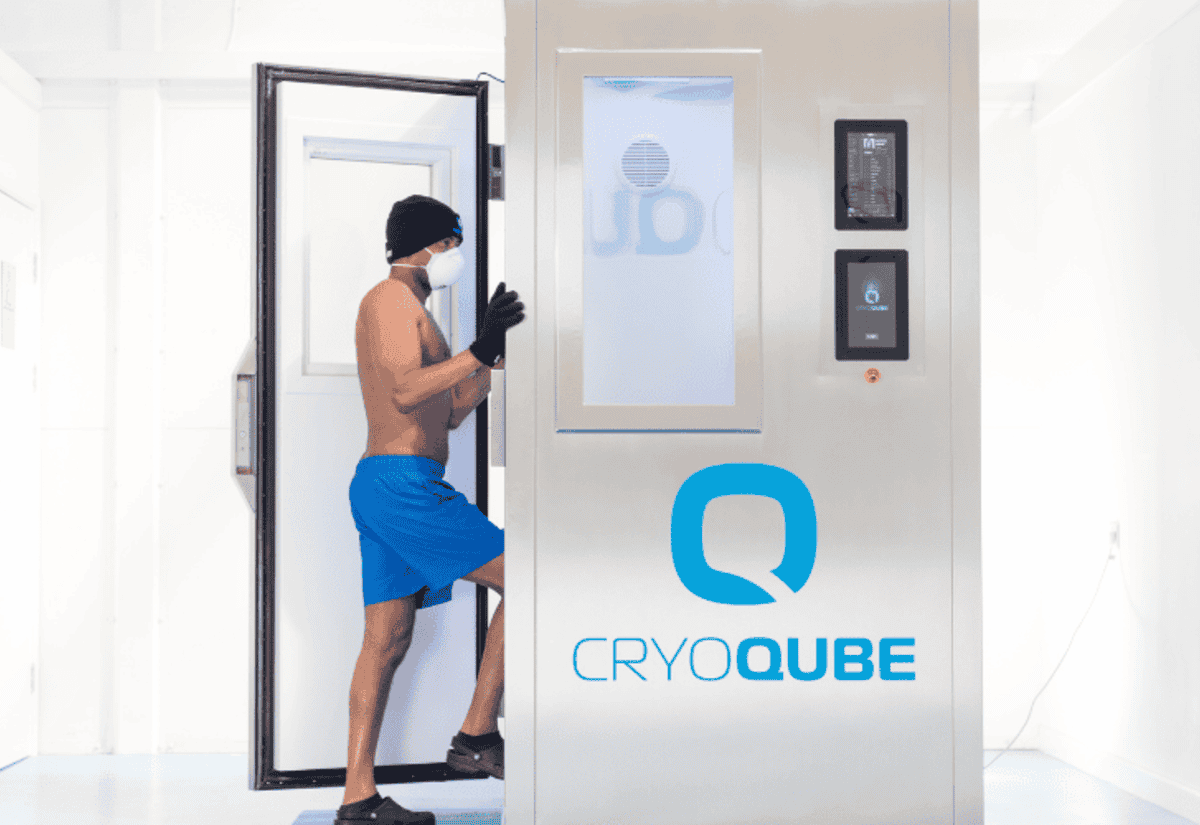
Cryotherapy is a growing therapy, however, in various formats it has been used for a long time. Local cryotherapy has been used more widely, targeting specific areas of the body. In recent years, whole-body cryotherapy has gained traction, with people using it to expose the whole body to the cold.
The main difference when comparing whole-body cryotherapy vs local cryotherapy is that when used locally, it is typically used to treat pain, injury and sometimes is used post-operation. Meanwhile, when used for the whole body, the aim is typically to increase recovery and enhance well-being routines.
If looking to use cryotherapy, it is important to understand the difference between local and whole-body, so you can get the treatment that most suits your needs, aims and objectives. In this article, we compare local cryotherapy with whole-body cryotherapy.
Local cryotherapy: What is it and what is it used for?
What is local cryotherapy?
Local cryotherapy is the application of cold treatment to target a specific area and problem. Usually it is done with a hand-held device that provides a stream of sub-zero air.
It is called local cryotherapy because it provides a treatment local to the problem area. For example, if you are experiencing knee pain, the device would be used to push the cold air to that knee.
Common areas it is used for include:
- Knees
- Shoulders
- Lower back
- Neck
- Hips
- Ankles
- Elbows
- Hamstrings
- Quads
- Calves
- And more
Think of it like holding a cold compress to the area causing pain.
What is local cryotherapy used for?
There are a number of applications that local cryotherapy is typically used for.
These can include:
- Soothing joint pain such as arthritis or carpal tunnel.
- Supporting recovery from sports injuries such as sprains or muscle strains.
- Helping to ease back and neck tension, including discomfort associated with tight or spasming muscles.
- Providing temporary relief from foot pain, including discomfort associated with plantar fasciitis.
- Helping to soothe symptoms associated with certain skin conditions, such as eczema and psoriasis.
- Supporting the treatment of certain skin blemishes, such as warts, sun spots or skin tags.
Whole-body cryotherapy: What is it and what is it used for?
What is whole-body cryotherapy?
Whole body cryotherapy takes the principle of local cryotherapy but applies it to the whole body at the same time. You expose your whole body to the extremely cold air for a short period of time.
It is done in a chamber built for this purpose, which surrounds the body with cold air suddenly.
It works because the body has to respond to this sudden temperature drop. The blood vessels constrict (vasoconstriction). As the body starts to warm, the blood vessels open up again bringing an influx of oxygen-rich blood to the area.
You can learn more about how it works in our blog: Cryotherapy: Uses, Benefits and What to Expect.
Why do people use whole-body cryotherapy?
Unlike targeted local cryotherapy, whole-body cryotherapy focuses more on overall wellbeing. It doesn’t work to reduce pain or increase recovery for a specific area or condition.
People typically use this form of cold therapy for:
- Supporting exercise recovery
- Helping to manage delayed onset muscle soreness (DOMS) after exercise
- Enhancing their well-being routine
- Supporting improved mental clarity and boosting mood
While there are many reasons people enjoy whole-body cryotherapy. The scientific evidence behind the benefits is still in its infancy, with many of it being anecdotal rather than fully proven.
Whole-body cryotherapy vs local cryotherapy: what’s the difference?
While both treatments use cold exposure, the main difference between whole-body and local cryotherapy is where the cold is applied.
| Local cryotherapy | Whole-body cryotherapy |
| Targets a specific area | Exposes the whole body |
| Uses targeted cold air | Uses cold air within a specialist chamber |
| Often used for targeted pain and recovery | Commonly used for general recovery and wellbeing |
| Can be used around specific areas following injury or treatment | Often incorporated into wider exercise and recovery routines |
| More commonly associated with medical, rehabilitation and targeted applications | More commonly associated with wellness and recovery |
Neither approach is necessarily better than the other. They simply have different applications. The most suitable option will depend on what you are hoping to achieve.
Where does whole-body cryotherapy fit into recovery and wellbeing?
Recovery is rarely about one treatment or therapy. Instead, it is often the result of several different habits and approaches working together.
Getting enough sleep, eating well, staying hydrated, managing stress and allowing the body enough time to recover after exercise are all important parts of a healthy recovery routine.
Whole-body cryotherapy can be considered as one additional option within this wider approach.
For people who exercise regularly, whole-body cryotherapy may be used alongside other recovery methods to help them feel ready for their next training session. It can also simply form part of a broader wellbeing routine for people who enjoy the experience of cold exposure.
At a health and wellness hub, such as Elements Health Hub, whole-body cryotherapy may sit alongside other recovery and wellbeing therapies, such as ice baths, sauna sessions and hyperbaric oxygen therapy. Each of these approaches works differently, so they should be viewed as separate options rather than interchangeable treatments.
The important thing is to take a balanced approach. Whole-body cryotherapy shouldn’t be viewed as a replacement for the fundamentals of recovery, nor should it be considered a cure-all. Instead, it can be one part of a wider routine focused on recovery, wellbeing and looking after your body.
Is whole-body cryotherapy suitable for everyone?
Whole-body cryotherapy involves exposing the body to extremely cold temperatures for a short period of time, so it isn’t necessarily suitable for everyone.
Before having a session, you should have a consultation with our team to discuss your aims and objectives of including this therapy into your routine, and any medical history that might impact your use of it.
A reputable cryotherapy provider will explain what to expect during a session, answer any questions you have and ensure that appropriate safety procedures are followed. This is the typical structure of our consultations. And any cryotherapy sessions are supervised by a team member who is especially trained to work our cryotherapy chamber.
Which type of cryotherapy is right for you?
The choice between local and whole-body cryotherapy largely comes down to what you want from the treatment.
If you’re looking for cold therapy that focuses on a particular area of the body, local cryotherapy provides a targeted approach. It is commonly used in medical, rehabilitation and recovery settings where cooling a specific area is the priority.
If you’re looking for a whole-body cold exposure that can form part of a wider recovery or wellbeing routine, whole-body cryotherapy offers a different experience.
It’s also worth remembering that whole-body cryotherapy and local cryotherapy aren’t the only forms of cold therapy. Ice baths and cold-water immersion are another popular option, particularly among athletes and people who enjoy incorporating cold exposure into their recovery routines. Again, this is something we can discuss in our initial consultation, as we can explore the benefits and uses of each cold therapy type to make sure we find the right one for you.
Ultimately, the most appropriate approach will depend on your individual goals, circumstances and, where relevant, advice from a healthcare professional.
Local cryotherapy vs whole-body cryotherapy conclusion
Although they both use cold exposure, local and whole-body cryotherapy have some important differences.
Local cryotherapy focuses cold on a specific area of the body and is commonly used for targeted applications such as managing discomfort and supporting recovery. Whole-body cryotherapy exposes the body to cold air as a whole and is more commonly used as part of wider recovery and wellbeing routines.
Neither approach is automatically better. They simply serve different purposes.
For those interested in whole-body cryotherapy, it can be viewed as one part of a wider approach to wellbeing alongside the fundamentals of good recovery, such as sleep, nutrition, hydration, movement and rest.
Whether you’re looking to support your recovery after exercise or simply explore new ways to build wellbeing into your routine, understanding how cryotherapy works can help you decide which approach may be right for you.
Book a tour of our facility to learn more about this treatment and how you could combine it with other therapies available.